Invoice Fraud Detection Methods That Actually Catch Fakes
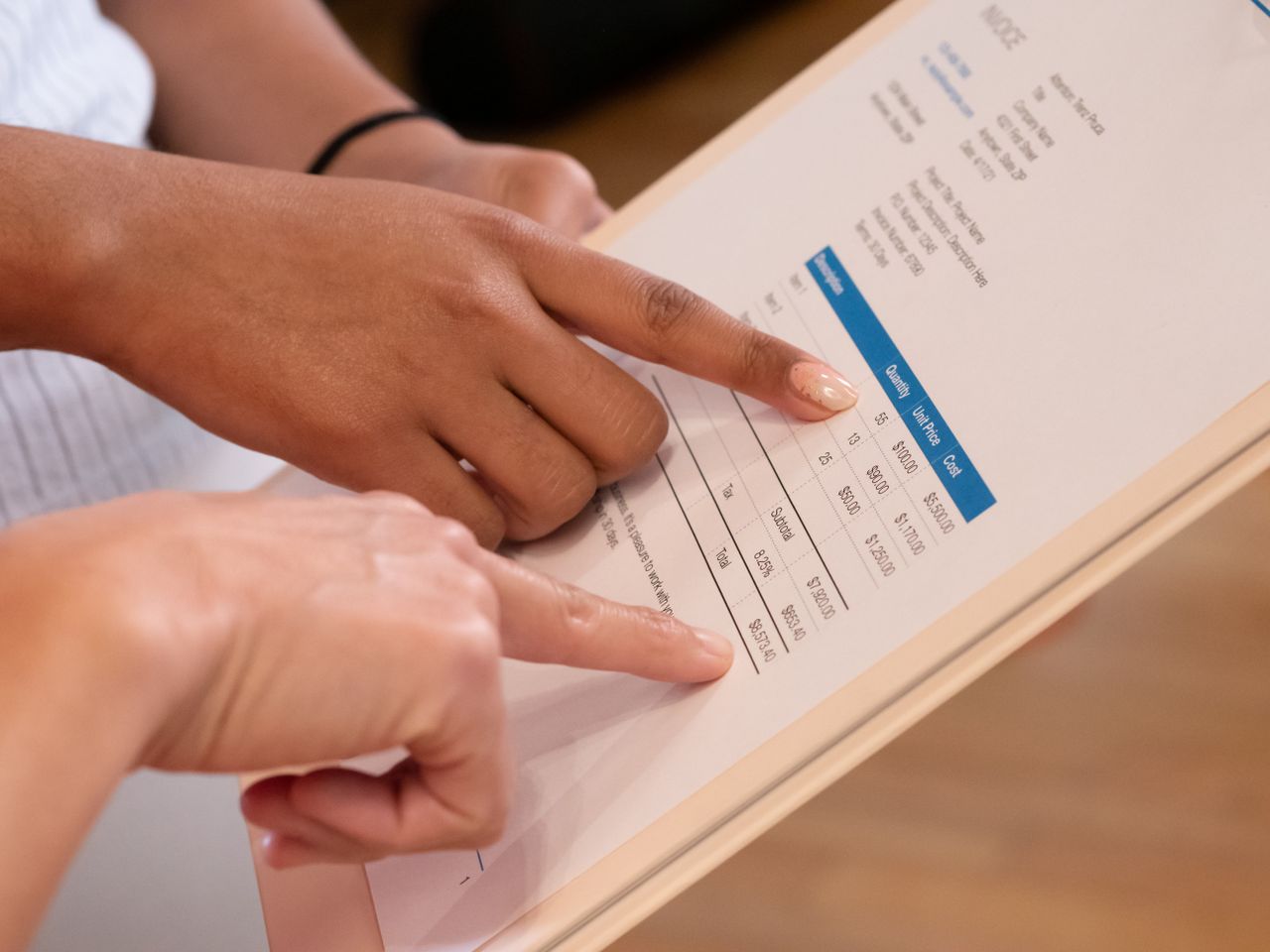

A convincing fake invoice does not look like a scam. It looks like Tuesday.
The FBI's Internet Crime Complaint Center logged $3.05 billion in business email compromise losses in 2025, up from $2.77 billion the year before, making BEC one of the costliest crime categories the agency tracks, trailing only investment fraud. Most of that money left through a normal-looking invoice or payment request that a busy employee approved without a second thought.
Invoice fraud detection has a marketing problem. Plenty of guides list the same five tips: verify the vendor, watch for urgency, check the purchase order, train your staff. Those steps matter, but they were written for a slower kind of fraud. Fraudsters now clone logos, edit PDFs with pixel-level precision, and generate entire invoices with AI tools that leave no obvious typo behind. A method that only flags spelling mistakes and mismatched fonts will miss the invoices doing real damage.
This guide breaks down the invoice fraud detection methods that hold up against sophisticated fakes, not just sloppy ones, and where each method tends to fall short on its own.
Why Basic Verification Alone Is No Longer Enough
Standard invoice fraud prevention advice focuses on process: confirm the vendor, match the purchase order, get a second signature. These controls are worth keeping. They stop opportunistic fraud and internal errors that would otherwise slip through unapproved.
The problem is that process controls trust the document. They check whether an invoice has a purchase order number, a familiar vendor name, and a total that falls within a normal range. None of that tells a reviewer whether the PDF itself was edited after it left the vendor's system, whether the numbers were quietly changed, or whether the file was generated by AI rather than a real accounting platform.
That gap matters more every year. AI-generated invoices and receipts are already showing up in claims and payment queues, and they are built specifically to pass a visual glance. A document can have the right vendor name, the right format, and a total that looks reasonable, and still be entirely fabricated. Relying on a single verification step, rather than a stack of independent checks, is exactly what lets a well-made fake through.
Method 1: Vendor and Payment Detail Verification
Vendor verification is the most common invoice fraud detection method, and for good reason. It directly targets vendor impersonation and payment redirection, two of the most frequent invoice scams.
The practice works like this: when an invoice arrives with new or changed banking information, the accounts payable team contacts the vendor through a previously verified phone number, not the contact details listed on the invoice, to confirm the change before releasing payment. This single habit closes off a large share of BEC-driven invoice fraud, since fraudsters depend on victims accepting new payment instructions without a callback.
Where it falls short: verification only works if someone actually performs it every time, and fatigue sets in fast when a team processes hundreds of invoices a week. It also does nothing to catch a fake invoice from a vendor whose details were never changed, such as a fabricated bill for services that were never rendered.
Method 2: Purchase Order and Three-Way Matching
Three-way matching compares the purchase order, the goods receipt, and the invoice, and flags any invoice where the numbers do not align. It is one of the oldest and most reliable accounts payable controls because it forces every payment to have a paper trail behind it.
This method is particularly good at catching invoices for goods or services that were never ordered, duplicate billing for the same delivery, and quantity or pricing discrepancies that would otherwise slide through. Organizations without strict purchase order discipline, including fast-growing companies and multi-site operations, tend to be the most exposed here, since the invoice becomes the only evidence that work happened at all.
Where it falls short: three-way matching assumes the invoice itself is authentic. It does not check whether the document was altered after the fact, and it is far less useful for expense reports, insurance claims, and other document types that were never tied to a formal purchase order in the first place.
Method 3: Duplicate Invoice Detection
Duplicate invoices are a quieter kind of fraud, and often an easier one to miss. A vendor, or someone posing as one, resubmits an invoice with a slightly different invoice number, a rounded total, or a changed date, hoping the second copy slips past a reviewer who already approved the first.
Automated duplicate detection compares incoming invoices against historical records, looking past exact matches to catch near-duplicates: same vendor, same amount, close dates, minor formatting changes. This is one of the areas where automation clearly outperforms manual review, since a human reviewer cannot realistically remember every invoice processed months earlier.
Where it falls short: duplicate detection only works within its own dataset. It will not catch a first-time fake invoice, and it depends on clean historical records to compare against.
Method 4: Anomaly Detection and Machine Learning on Transaction Data
Machine learning models built for invoice fraud detection analyze transaction patterns across vendors, amounts, timing, and approval behavior, then flag activity that deviates from what is normal for that vendor or that business unit. A vendor that typically bills $4,000 a month suddenly submitting a $40,000 invoice, or a payment request arriving outside normal business hours, gets surfaced for review instead of processed automatically.
This method scales well and catches patterns a human reviewer would never notice across thousands of invoices, particularly unusual payment timing, vendor behavior shifts, and statistical outliers in amounts.
Where it falls short: anomaly detection works on data fields, not on the document itself. A well-crafted fake invoice with numbers that fall within a normal range will not trigger a data-based anomaly model, even if the underlying document was fabricated or digitally altered.
Method 5: Document Forensics (Pixel, Metadata, and Math Analysis)
This is the method most invoice fraud guides skip entirely, and it is often the one that catches what everything else misses.
Document forensics examines the actual invoice or receipt file rather than the data extracted from it. That includes several layers working together:
- Pixel-level analysis that detects texture anomalies, misaligned tables, copy-paste artifacts, and color inconsistencies left behind by Photoshop or other image editing software.
- Metadata forensics that checks a file's creation date, editing history, device information, and software used, then flags inconsistencies against the claimed business timeline.
- AI-generated content detection that identifies the subtle statistical patterns and artifacts distinguishing a synthetic document from one produced by real accounting or point-of-sale software.
- Mathematical verification that recalculates line items, subtotals, tax, and totals to catch inflated amounts, incorrect tax math, and rounding errors that indicate manipulation. This method is covered in more depth in why doctored invoices look normal until you check the math.
- Physical tampering detection for scanned or photographed documents, including correction fluid, handwritten edits over printed text, and cut-and-paste alterations, which is examined further in how tippex invoice fraud leaves more traces than you think.
Document forensics is the invoice fraud detection method built specifically for the kind of fakes that pass every other check: correct vendor name, plausible amount, valid purchase order reference, and a document that was digitally or physically edited after it was created. For a closer look at how these signals show up in practice, nine invoice fraud detection signals hidden in the document, not the data walks through specific examples reviewers can check for manually.
Where it falls short: document forensics does not replace vendor verification or purchase order matching. A perfectly authentic, unedited invoice for a fraudulent transaction will still pass forensic review, which is why this method works best layered with the others, not instead of them. That layered approach is explored in why a tampered invoice rarely fails in just one place.
Method 6: Segregation of Duties and Approval Workflows
No single person should be able to add a vendor, change payment details, and approve a payment without a second set of eyes. Segregation of duties spreads that authority across roles, so a fraudulent change requires collusion rather than one compromised inbox.
Dual approval thresholds, mandatory review for any vendor banking change, and audit trails that log who changed what and when all fall under this method. It is especially effective against internal fraud and insider collusion, which account for a meaningful share of occupational fraud losses according to the ACFE's long-running Report to the Nations research.
Where it falls short: segregation of duties protects the approval process, not the document. It does nothing to catch a convincing fake invoice that moves cleanly through an otherwise well-controlled workflow.
Method 7: Employee Training and Red Flag Awareness
Every other method depends on people using it correctly, which is why training remains part of any serious invoice fraud detection program. Staff who know the common red flags, unexpected urgency, last-minute banking changes, invoices with no purchase order reference, requests to bypass normal approval steps, are more likely to pause and escalate before a payment goes out.
Regular refreshers matter more than a single onboarding session, since fraud tactics shift and AI-generated phishing emails have gotten harder to distinguish from legitimate correspondence. Training works best when it is reinforced by automated accounts payable systems that still keep fraud gates in place, since speed and scrutiny tend to pull in opposite directions once volume increases.
Where it falls short: training reduces risk, but it cannot scale to catch everything. Reviewers get tired, invoice volume grows faster than headcount, and the most polished fakes are specifically designed to slip past a quick human glance.
Why Layered Detection Works Better Than Any Single Method
None of the methods above catches everything on its own, and that is the actual lesson. Vendor verification misses fabricated invoices from unchanged accounts. Purchase order matching misses altered documents. Anomaly detection misses fakes that fall within normal ranges. Document forensics misses authentic-but-fraudulent transactions. Segregation of duties misses convincing external fakes. Training misses what tired reviewers overlook at volume.
Layering these methods closes the gaps each one leaves behind. A strong invoice fraud detection program checks the vendor, matches the purchase order, screens for duplicates, watches transaction patterns, verifies the document itself, enforces separation of approval authority, and keeps staff sharp on current tactics. When several of these signals disagree at once, that is a far stronger indicator of fraud than any single red flag.
This is particularly important for AI-generated fraud, which is built to pass data-level checks and quick visual review. Fraud detection using AI works better when it starts with original files rather than screenshots or flattened copies, since compression and re-saving can strip out the forensic clues that reveal manipulation in the first place.
Where Detection Methods Apply Across Different Teams
The same fraud logic shows up differently depending on where an invoice enters the business.
In accounts payable, fraud typically means inflated supplier bills, redirected payments, or invoices for goods and services that were never delivered. Purchase order matching and vendor verification carry more weight here, backed by document forensics for anything that clears those checks but still looks off.
In insurance claims, altered invoices and receipts are usually submitted to increase a payout: a repair estimate gets inflated, a replacement receipt shows a higher-end model, or a contractor invoice gets reworked after the loss occurred. Document forensics tends to carry more weight in this context, since claims documents often arrive as scans or photos with no purchase order to match against.
In employee expenses, the pattern is usually smaller and repeated: a receipt reused across two reports, a padded meal total, or a hotel bill with an adjusted amount. Duplicate detection and anomaly detection catch a lot of this volume, with document forensics catching the receipts that were physically or digitally altered before submission.
Frequently Asked Questions
What is the most effective invoice fraud detection method?
No single method is sufficient on its own. Vendor verification, purchase order matching, duplicate detection, anomaly detection, document forensics, and segregation of duties each catch different types of fraud, and the strongest programs combine several of them so gaps in one method get covered by another.
Can AI-generated invoices be detected?
Yes. AI-generated invoices leave subtle statistical patterns and artifacts that differ from documents produced by genuine accounting or point-of-sale software. Detecting them requires document forensics tools built specifically to analyze the file itself, since AI-generated invoices are designed to pass data-level checks like vendor name matching and total verification.
Why do OCR and data capture tools miss invoice fraud?
OCR and workflow tools are built to extract fields and route approvals quickly. They generally do not inspect the underlying document for pixel-level edits, metadata inconsistencies, or physical tampering, which means a digitally altered invoice with correct-looking data can pass through undetected.
How often should invoice fraud detection controls be reviewed?
Fraud tactics change quickly, particularly with AI-generated content and business email compromise techniques evolving year over year. Vendor verification procedures, approval thresholds, and detection tools should be reviewed at least annually, with more frequent updates for organizations handling high invoice volumes or elevated fraud risk.
Catch Invoice Fraud Before It Becomes a Payment
Most invoice fraud is not stopped because someone spotted an obvious red flag. It is stopped because several independent checks disagreed with each other at the same time, and someone paid attention.
Docklands AI adds the layer most invoice fraud detection programs are missing: pixel-level document analysis, metadata forensics, AI-generated content detection, mathematical verification, and physical tampering detection, applied automatically before payment goes out. It works alongside existing AP automation, claims systems, and expense platforms rather than replacing them, flagging the manipulated documents those tools were never built to catch.
Book a demo to see how Docklands AI detects invoice fraud in a real workflow.
Request a Demo Today!
Book your demo below.